
Thomas Cole's Journey of Life
A cultural essay on Thomas Cole, The Voyage of Life, and the landscape of artistic legacy.
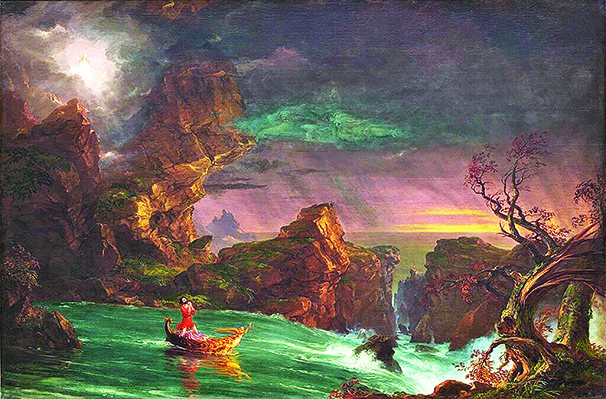
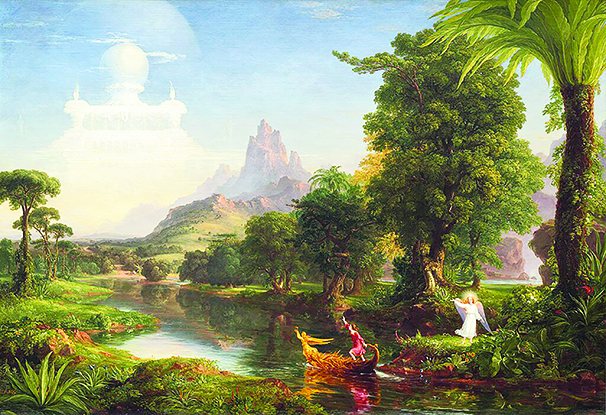
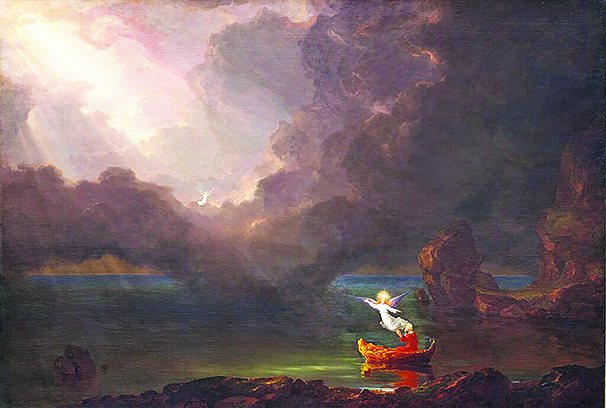
Among the treasures of the Washington art museum there is a series of four paintings which I always hurry to look at first: Thomas Cole's The Voyage of Life.
Cole published some of his poems and letters in New York magazines and newspapers, and became a teacher. He accepted the student Frederick E. Church from May 1844 to June 1846. The wealthy father of Church paid $300 annually for the education. Cole took on another student, Benjamin McConkey, on the same terms.
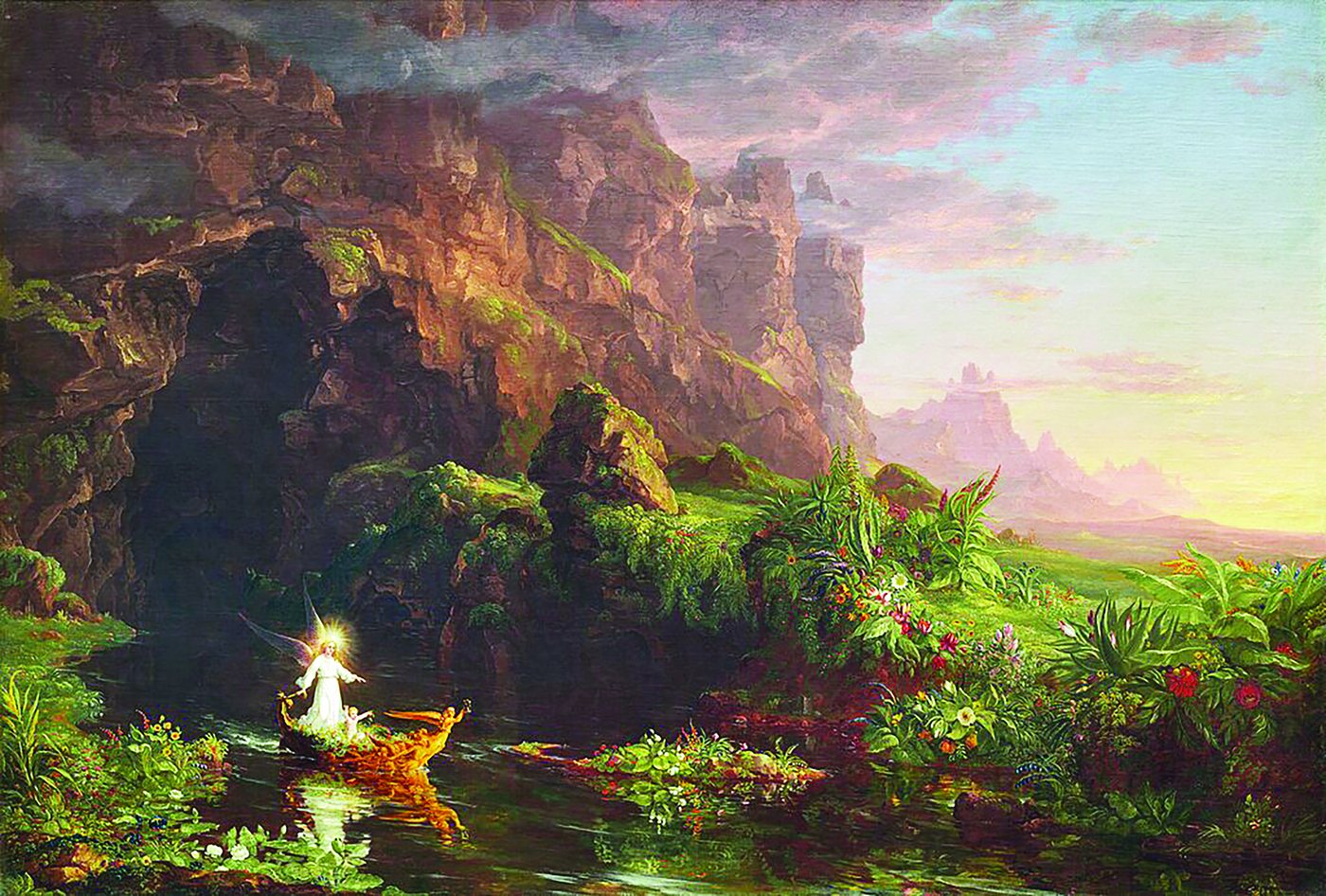
In 1841, Cole traveled to Switzerland, France, Italy, and Great Britain to see relatives. Meanwhile, disagreements stirred among heirs to Samuel Ward's estate, which now included Cole's The Voyage of Life series. While in Italy, Cole painted a second version of the series and sent it to New York.
Cole started a series of paintings called Cross and Peace in February 1846. Around that time, a second studio was constructed, separate from the main home, and Cole proudly showed it to visitors.
However, he did not have much time left. After attending a morning church service, Cole became tired in the afternoon and a doctor was called later that night. Due to pleurisy and a hemorrhage in the lungs, he died on February 11, 1848, at the main house at Cedar Grove.
The region found ways to honor this great artist. Cedar Grove, the farm in the Catskills where Cole painted when he returned to New York, is now part of the Thomas Cole National Historic Site. His home, the Thomas Cole House, was declared a National Historic Landmark in 1999 and is open to visitors.
The landscape that initially inspired him also bears his name: the fourth tallest peak in the broader Catskill Mountains is now known as Thomas Cole Mountain.
More from Culture

Flow: Silence Speaks Louder Than Words
A review of Gints Zilbalodis's animated film Flow, where quiet images become a meditation on survival, empathy, and community.
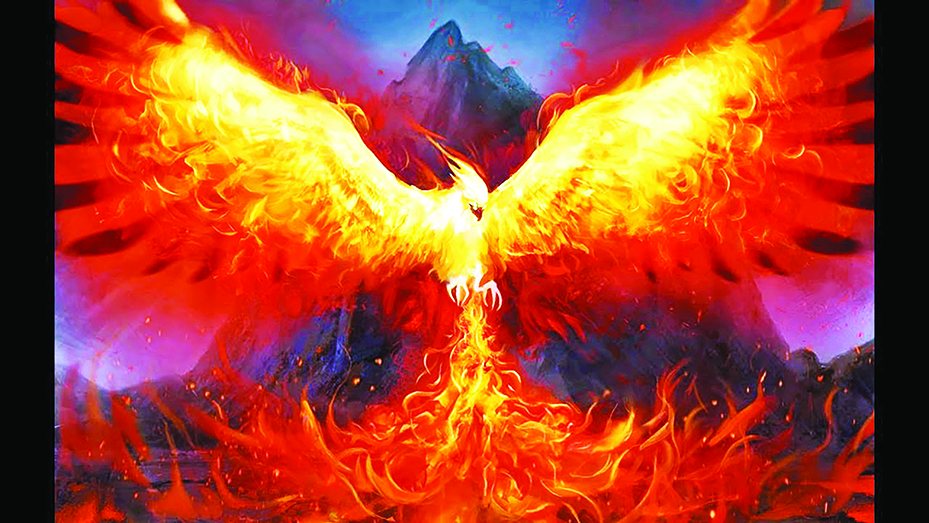
The Aspects of the Phoenix
A symbolic essay on the phoenix as a mythic image of rebirth, initiation, and spiritual transformation.