
The Aspects of the Phoenix
A symbolic essay on the phoenix as a mythic image of rebirth, initiation, and spiritual transformation.

The phoenix is the most revered of all the symbols used by ancient Mysteries to conceal the great truths of esoteric philosophy. Although modern scholars regard the phoenix as mythical, Pliny describes the capture of one of these birds and its exhibition in the Roman Forum during the reign of Emperor Claudius.
Clement, one of the ante-Nicene Church Fathers, described the nature and habits of the phoenix as a unique bird that lives five hundred years. When its time comes to die, it builds a nest of myrrh and other fragrant materials, settles in it, and dies. From its decomposition, a new creature grows feathers and returns the nest to Heliopolis.
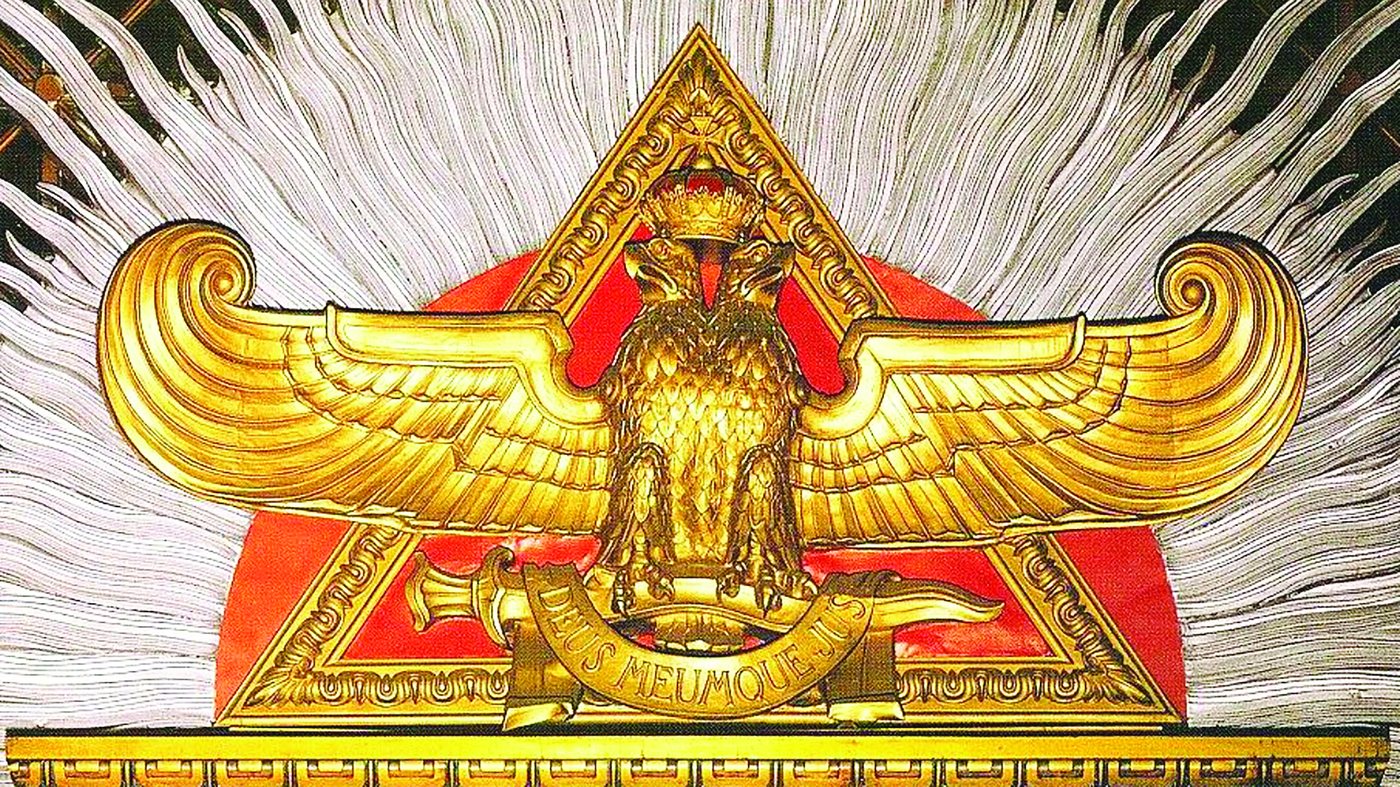
Herodotus and Pliny note the strong similarity in form between the phoenix and the eagle. The phoenix's body is described as being covered with glossy crimson feathers, its tail consisting of blue and red feathers, and its head light-colored with a golden plume on the neck.
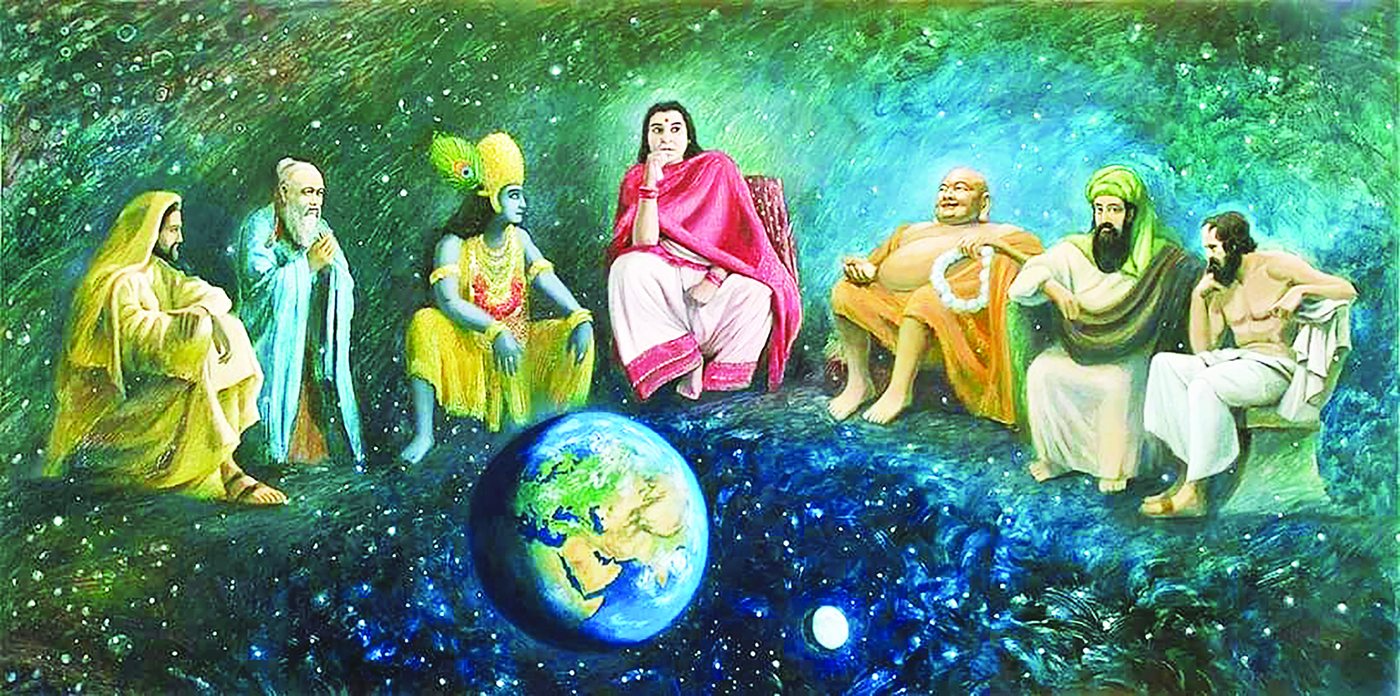
The Egyptians sometimes depicted the phoenix as a creature with a human body and the wings of a bird. Since the phoenix was a symbol of rebirth, the feathers on its head could have symbolized the activity of the pineal gland, or third eye, whose occult function was understood by the ancient priesthood.
For ancient mystics, the phoenix was the most fitting symbol of the immortality of the human soul, a symbol of spiritual victory and achievement.
Medieval Hermeticists viewed the phoenix as a symbol of the completion of alchemical transformation, a process equivalent to human rebirth. In the Mysteries, initiates could be referred to as phoenixes, or people who had been reborn.
There are many ways the phoenix shows itself through history. This great bird asks how rebirth plays into your life, and how starting anew can benefit you today.
More from Culture
Flow: Silence Speaks Louder Than Words
A review of Gints Zilbalodis's animated film Flow, where quiet images become a meditation on survival, empathy, and community.
Thomas Cole's Journey of Life
A cultural essay on Thomas Cole, The Voyage of Life, and the landscape of artistic legacy.