
The History of the English Language
Jeremiah Hendon's accessible tour through Old English, Norse and Norman influence, Middle English, and the language's global reach.
The English language is perhaps one of the most important languages of the modern era. It is both the third-most spoken language natively and the single most-learnt as a second language, with almost 1.5 billion total speakers.
The English language itself has a fascinating and complex history, deeply intertwined with the history of England. Its legacy continues every day that it is spoken, changing both itself and other languages of the world.
English is a member of the West-Germanic branch of the Indo-European language family. While the grammar system and many of our most common words are Anglo-Saxon in origin, more advanced vocabulary is often loaned from another language.
Out of all English vocabulary, only 26 percent originates from Germanic languages, whereas 29 percent originates from Latin and another 29 percent from French. Over half of the vocabulary of English is not English, or even Germanic, in origin.
Old English, also called Anglo-Saxon, originated from the Ingvaeonic dialects of Germanic spoken across the North Sea in and around the fifth century A.D. It was brought to the British Isles by settlers from what is now northern France, Sweden, and Norway.
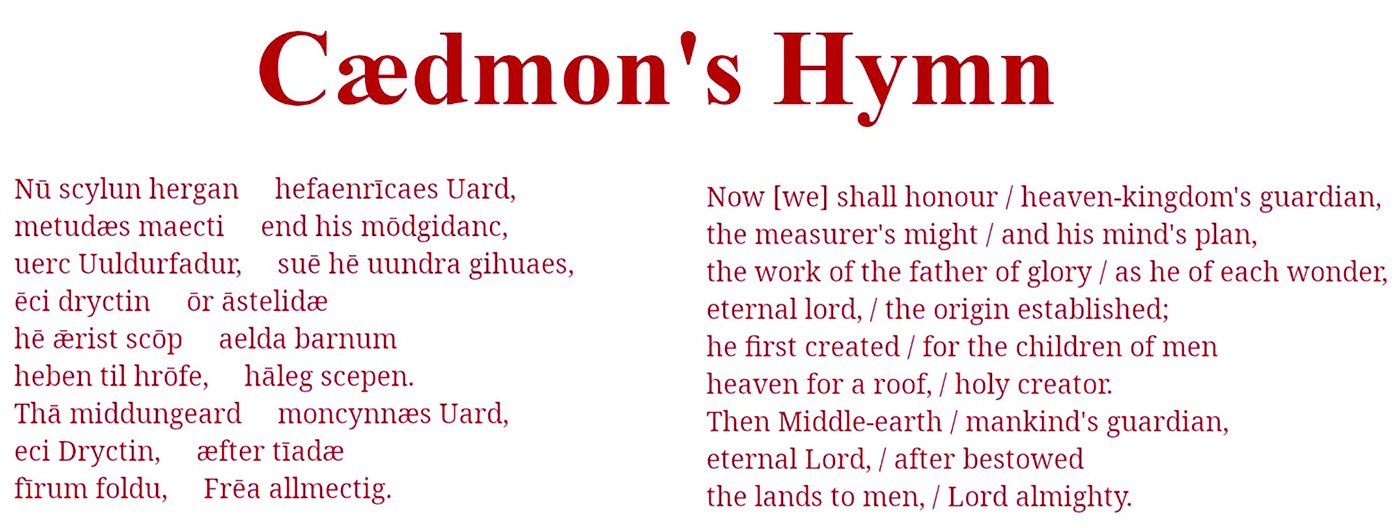
Few legible writings survive from this period. The Anglo-Saxons wrote in a runic writing system called Futhorc until around the eleventh century, when Christian missionaries popularized the Latin system.
After the establishment of Danelaw, English saw the introduction of new vocabulary from Old Norse. The more major changes came after the Norman invasion of 1066, when French-speaking Norman aristocrats came to dominate high society and Old English lost its prestige.
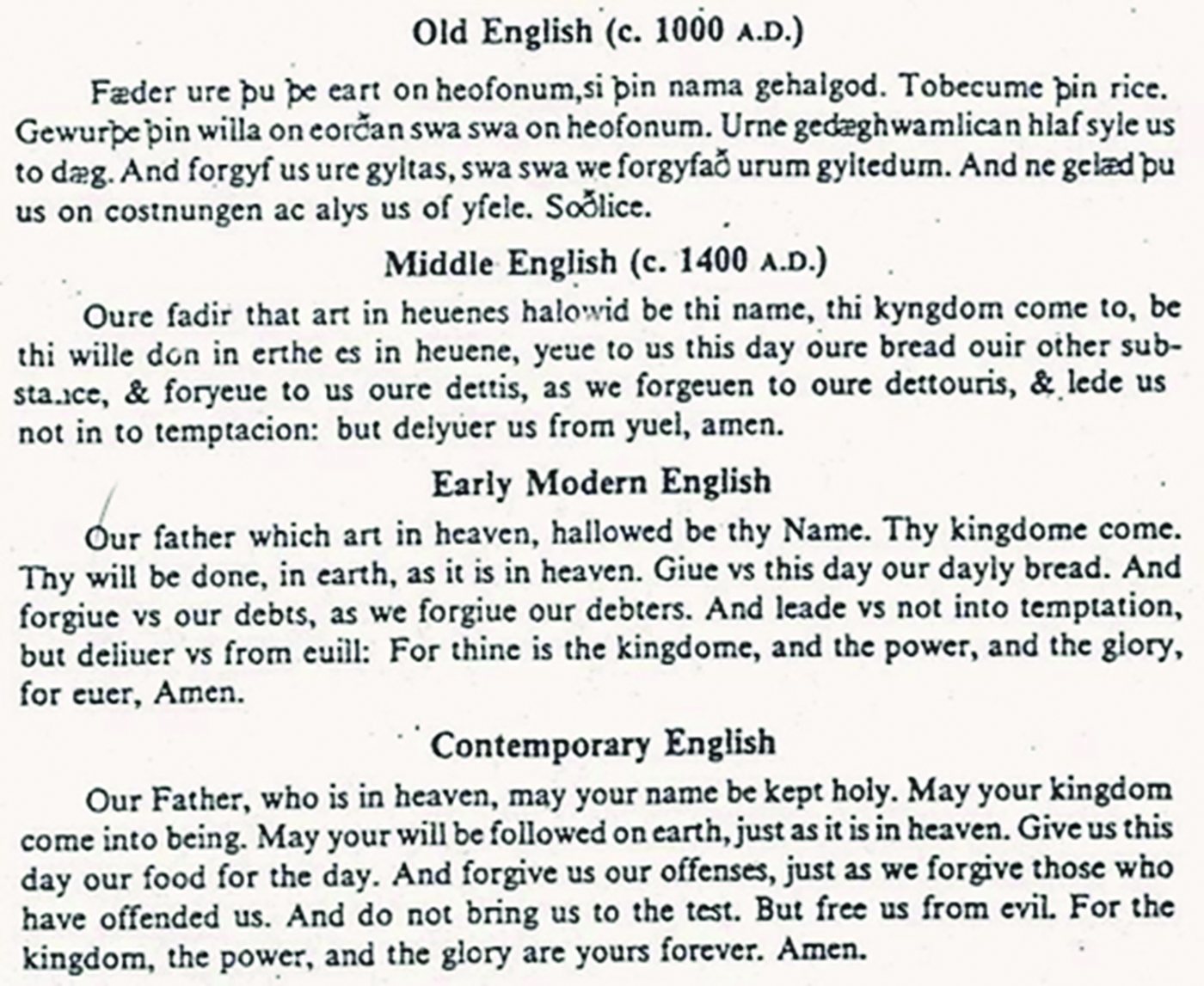
Middle English was spoken mostly by the lower classes until the end of the fifteenth century. It lost many inflections, grammatical endings, strong and weak plural systems, and grammatical gender.
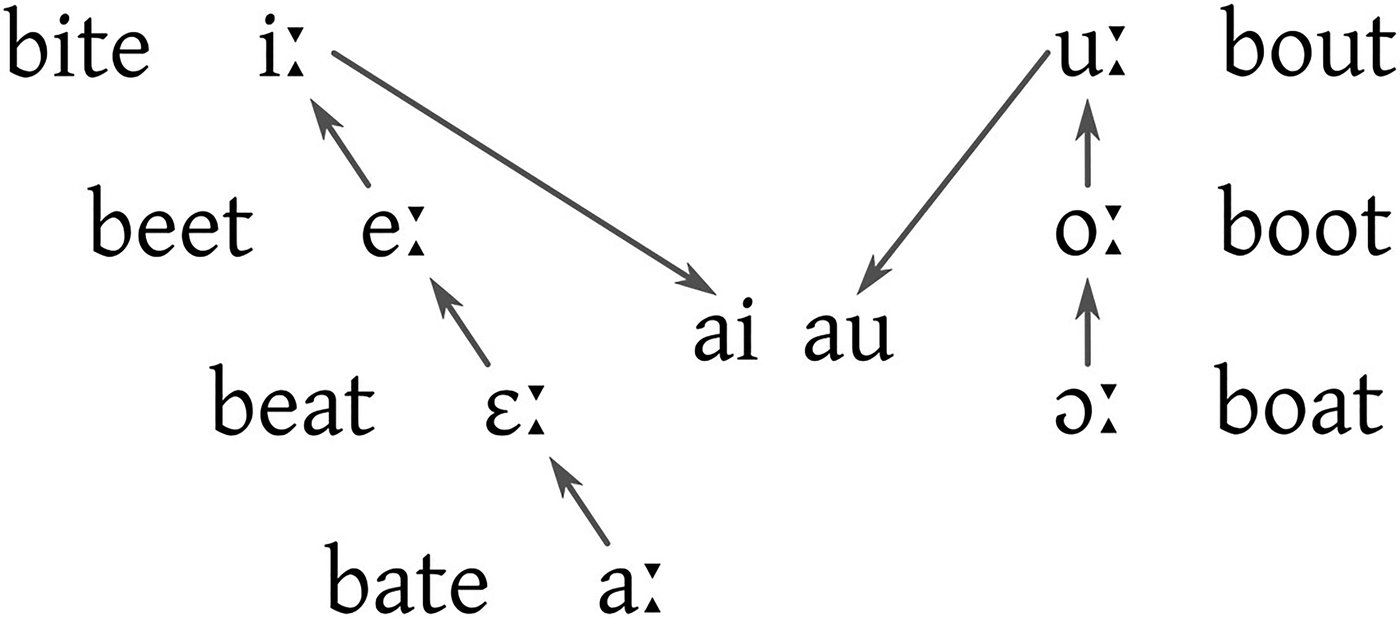
The transition to Early Modern English is generally marked by the Great Vowel Shift, a change in pronouncing the vowels of English that began in the fifteenth century and continued into the seventeenth.
Over centuries, English simplified further. As the influence of England and later America grew, the English language also grew in influence and prestige. Today, it is the most far-reaching and most-learnt language on Earth.
More from Education

A Little Bit of Everything
A compact science digest on Zealandia, ancient whales, chimpanzee rhythm, sarcophagi near Luxor, and interstellar travel.

Make Piano Part of Your Life
A music education notice inviting readers into piano lessons, theory, music history, and ensemble performance.