
Five Reasons Why People Lie
A psychology column on everyday deception, conflict avoidance, family patterns, and why lying can become a learned behavior.
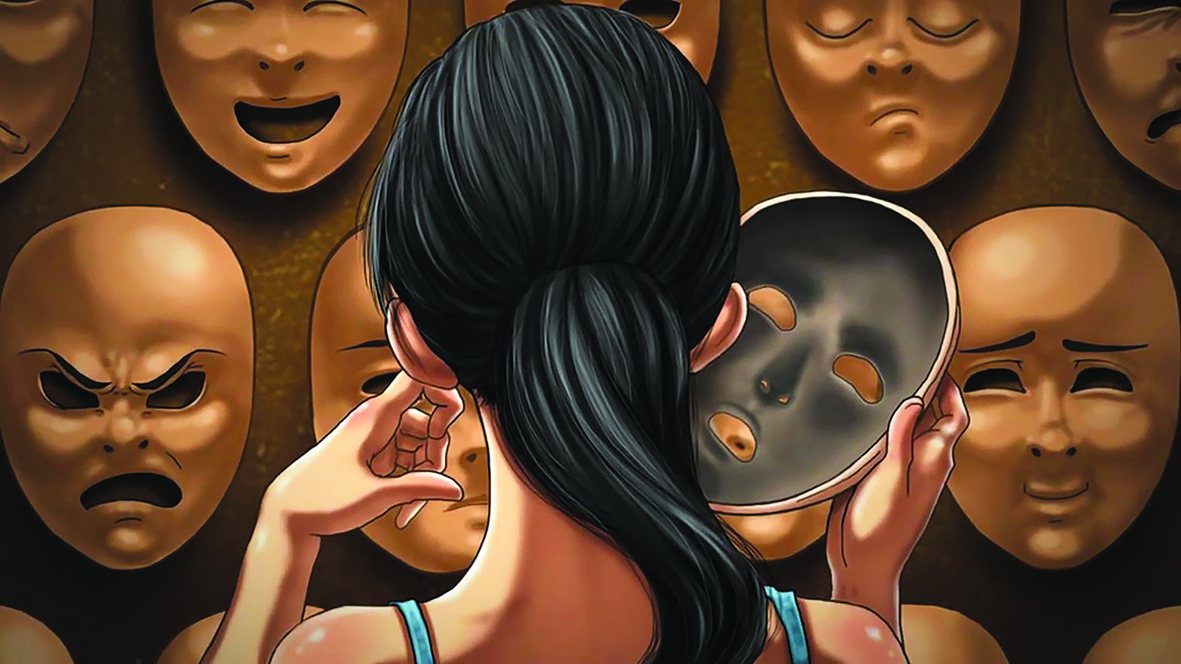
Several years ago, the news broke of a woman who lied to her husband for nine months about an alleged twin pregnancy. Many people spoke about this case, and many were agitated. Probably, no one would have known if the angry spouse had not unleashed his anger on the doctors.
An investigation began and the blatant truth was revealed: the woman was never pregnant nor did she give birth. Later, trying to justify herself, she said that at first she wanted to please her husband with pregnancy, and then she herself believed in this monstrous lie.
Why lie like that? Psychologists identify five reasons why people cheat.
The first reason is to avoid minor conflicts. Life is made up of little things. Sometimes it is easier to tell a spouse a false compliment rather than a painful truth. Sometimes, no one wants that kind of truth.
A second reason is fear of consequences. A person may decide that the truth will hurt self-esteem, ruin an evening, or damage a family relationship. What seems like a small lie becomes a way to avoid immediate discomfort.
Another reason is a special type of personality. There are people who lie at every step. They lie, so to speak, out of love for the art. Each time they invent a new reason to lie. At first it is profitable, then it is convenient, and after that deception becomes their lifestyle.
Antoine de Saint-Exupery once said that we all come from childhood. Psychologists are sure that the tendency to lie must be sought in childhood. Usually, a child has a dissonance between what parents say and what they themselves do.
If you notice this unpleasant quality in yourself, then you should not be upset. Instead, make an effort to work through childhood traumas that make you bend your conscience.
More from Psychology & Sociology

Simple Secrets: How to Make Your Dreams Come True
A calm psychology essay about desire, self-honesty, planning, and the difference between a borrowed dream and a real one.

Why Don't We Remember Our Childhoods?
A short educational feature on childhood amnesia and new research suggesting that infant memories may form but remain hard to access.