
Chicago: The Edges of Eternity
A quiet look at Eternal Silence, Dexter Graves, Lorado Taft, and the Chicago stories carried by a remarkable monument.
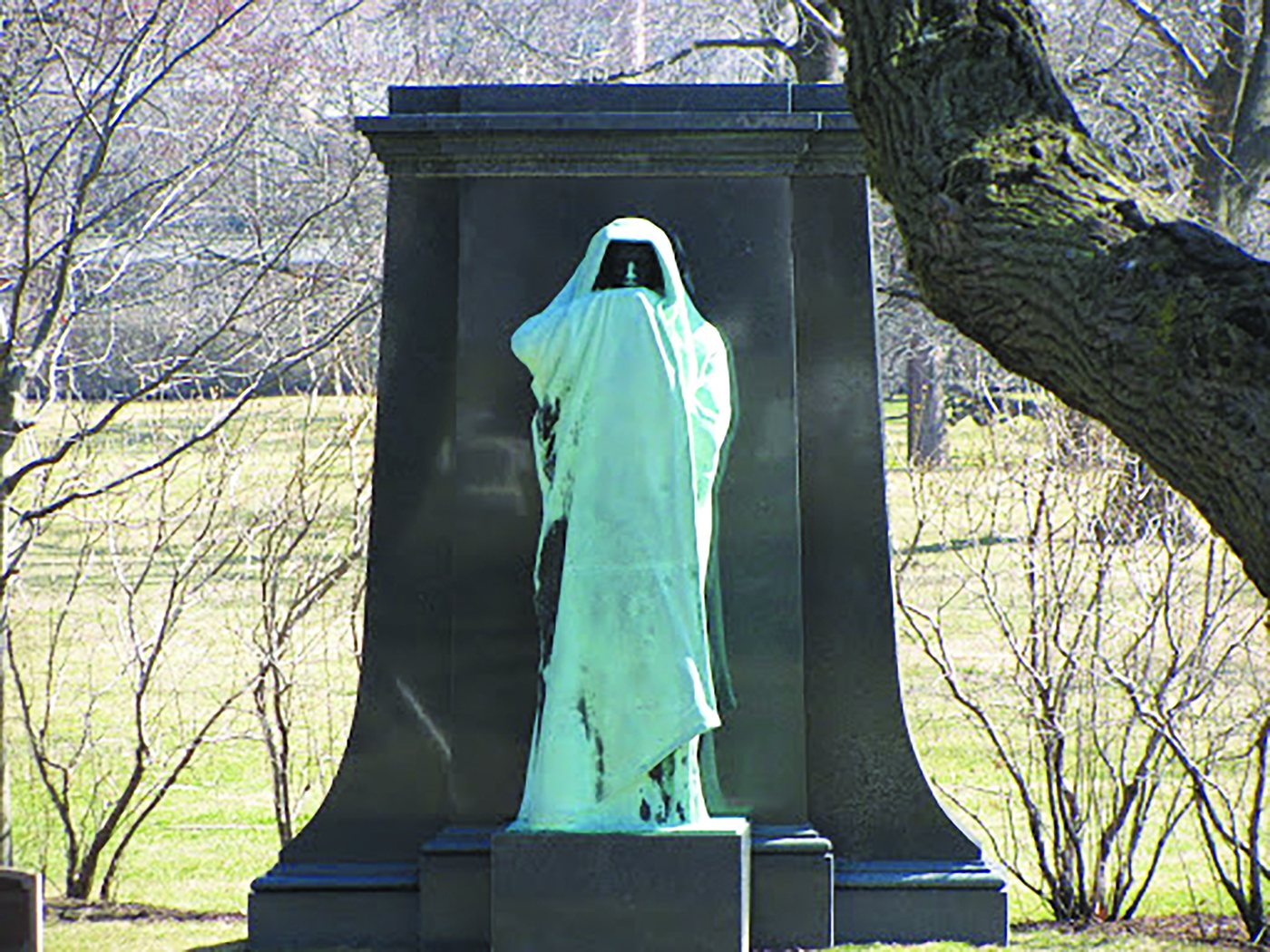
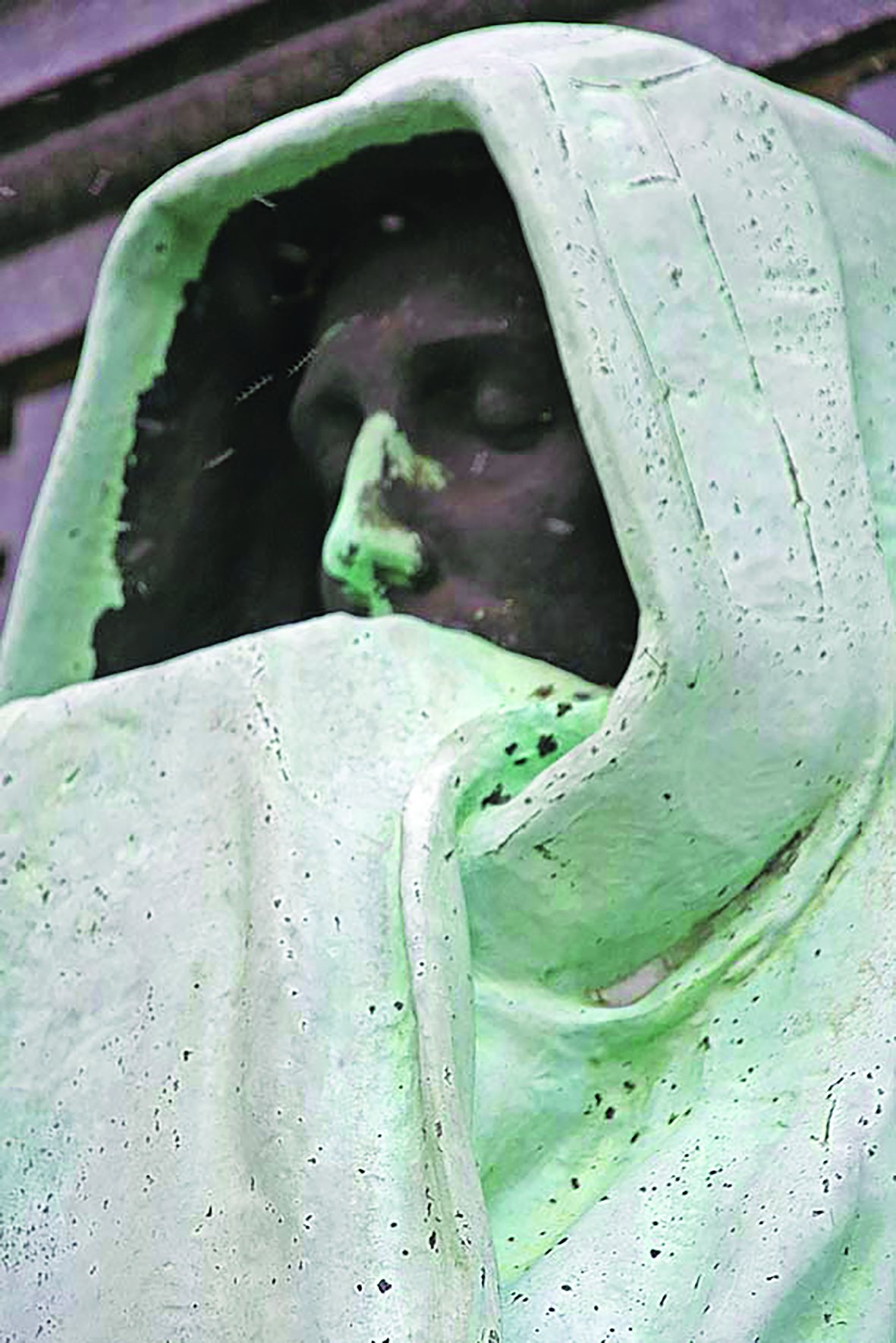
The sculpture Eternal Silence, also known as the Dexter Graves Monument or Statue of Death, stands at Graceland Cemetery in Chicago. This bronze, mounted on and in front of black granite, was created in 1909 by the American sculptor Lorado Taft. No one can pass the cemetery without noticing Eternal Silence, where the statue of a hooded figure stands over the final resting place of Dexter Graves and his family.
Graceland Cemetery is a large Victorian-era cemetery covering over 120 acres. Located in the Northern Uptown region of Chicago, Illinois, the main entrance is at the intersection of Clark Street and Irving Park Road. The Sheridan CTA Red Line stop is the nearest station.
In Graceland Cemetery, you can find the gravesites of many famous Chicagoans. Unfortunately, there is little information about the earliest residents of Chicago. Dexter Graves may have been among the first. He led a group of thirteen families to leave their homes in Ohio and settle in the territory of the future Chicago. They traveled across the Great Lakes by ship. The schooner on which Graves arrived with his family was called the Telegraph.
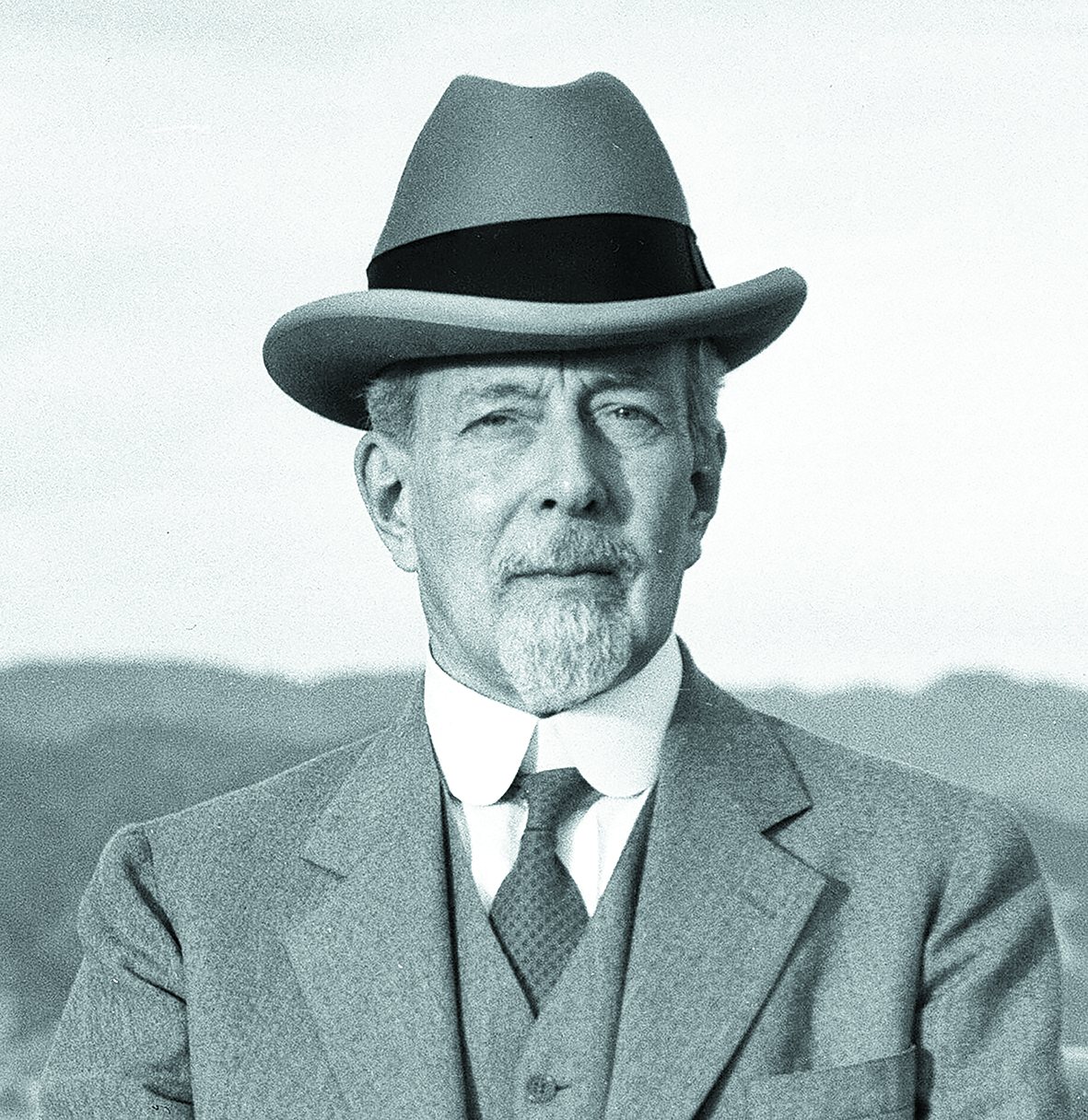
Graves and the families with him founded a settlement on the land that became Chicago. They built a hotel called The Mansion House. As the city grew, Graves' remains were relocated to Graceland Cemetery. The statue was erected there in 1909, 75 years after his death.

For two years, between the death of Henry Graves and the actual construction of Eternal Silence, the plans changed. Newspaper articles described the site as a monument with a tablet inscription: Donated and erected by Henry Graves. Born on August 9, 1821; died on October 8, 1907; Dexter's son, who brought the first colony to Chicago, consisting of thirteen families. Arrived July 15, 1831 on the schooner Telegraph.
In the end, the famous sculptor Lorado Taft was invited to work on the project. Taft's works can be seen throughout the country, including several statues around Chicago. One of his best-known works is the Fountain of Time in Washington Park.
There is one urban legend about Eternal Silence. Like many myths, however, it is not supported by facts. Supposedly, if one looks in the eyes of the hooded figure, the viewer will see a vision of their own death. In Ada Bartlett Taft's book Lorado Taft, Sculptor and Citizen, Eternal Silence is mentioned as one of the artist's most important works.
More from History
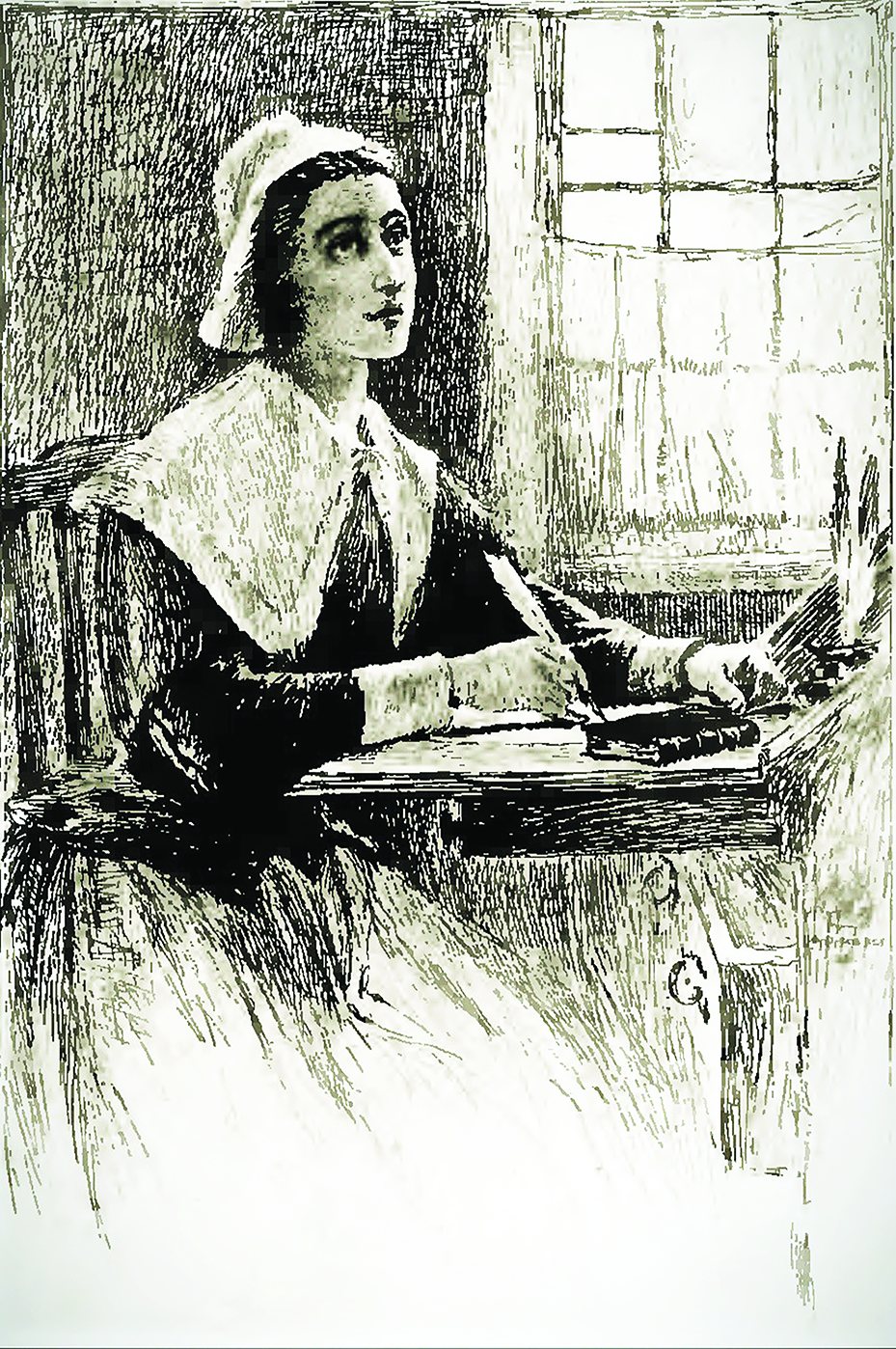
America's First Muse: Anne Bradstreet
The story of Anne Bradstreet, the first published poet of England's North American colonies.